AN EXTENSIVE LOOK AT LAUNCESTON CITY FC (JUVENTUS) HISTORY
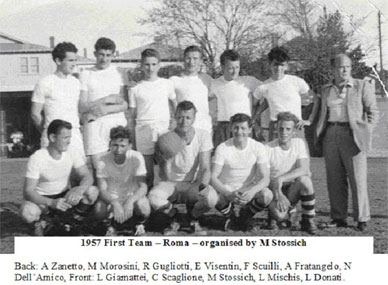
Founded in 1957 by Frank Zelesco and Matteo Stossich during a meeting in Stossich’s home at Eardley Street, South Launceston.
The club was first known as Roma until joining the Northern Tasmania Soccer Association in 1958. Matteo Stossich and other inaugural members decided change the name from ‘Roma’ to ‘Juventus’ before commencing the season in 1958.
It didn’t take long for Launceston Juventus to make its mark on the Northern league, claiming the Northern League Championship in its second year of existence in 1959 going through the Northern league undefeated (21 matches) scoring 134 goals.
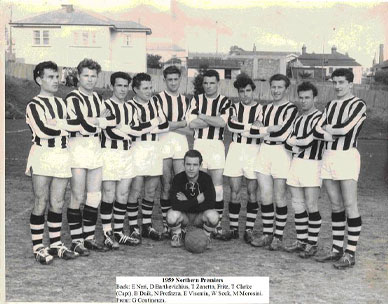
The club would repeat it’s near instant success for a further three seasons (1960, 1961, 1962) while playing out of Coronation Park. While playing out of Coronation Park in South Launceston the players would change at the AIC (Australian Italian Club) located at the time in George Street, Launceston and then drive a few kilometres to the ground for the match.
In 1960 the club played in its first State Championship which is held between the Southern and Northern Champions the match was played out of Mowbray Heights and ended in a one-sided loss at the hands of Southern club Caledonians 6-1 the final result.
1960 State Championship Side: E. Scaglioni, Donkers, T. Zanetto, A. Clark, Stephenson, T. Clark, M. Morosini, Buckley, Bartkus, E. Visentin, Sok
The following year (1961) was a different story and the club was able to bounce back and defeat a quality Rapid side in the State Championship final.
The club earned their spot in the final on the back of another undefeated season in the Northern League.

In the State Final Rapid shot off to an early lead and claim our first ever State Championship winning 2-1 at Brooks High School. The victory was led by a strong second half performance from Northern Player of the Year Terry Clark and a controversial goal in the 78th minute which deflected off a player in an offside position.
1961 State Championship Side: A. Galloway, Longo, L. Mischis, J. Mooney, P. Mies, T Clark, M. Morosini, T. Zanetto, F. Pieruzzi, Visentin, A. Mitchell
The club had various home grounds in its early existence and was moving frequently with the club starting off at Coronation Park and soon after to Cypress Street but that was short lived when the ground was sold in 1963.
The 60’s proved to be the clubs most successful era and moved to its home ground to Brooks High School between 1963 to 1968 throughout this time winning a further four Northern Premier League titles in ’63, 65, ’66 and ’67.

The club won its second State Championship in 1963 beating Ulverstone 4-2 at Brooks High School with goals from Mario Morosini, Jack Mooney, A. Whitemore and B. Van de Pols.
1963 State Championship Side: L. Gugliotti, Soligo, L. Mischis, T. Strickland, P. Mies, J. Mooney, M Morosini, H. Streit, B. Van de Pols, E. Visentin, A. Whitemore Sub: Bruck
1964 the club lost a few key players and relinquished the Northern League title to Launceston United. The team still managed to reach the Statewide Ampol Knockout Cup final via a thrilling 6-4 semi-final win over Caledonians but losing out to Olympia in the final 3 nil.
The Northern League title was once again ours in 1965 after going undefeated throughout the season and have us pitting ourselves against Olympia in the State Championship final held at South Hobart, which we would lose in bizarre circumstances. The match was deadlocked at the end of extra time at 3 all and was ultimately decided on corners with Olympia winning 4 corners to 2.
1965 State Championship Side: L. Gugliotti, J. Mooney, J. Tedestki, L. Hodge, P. Mies, T. Strickland, M Morosini, H. Streit, P. Winnett, G. Arnott (C), B. Van de Pols

In 1966 the club would go one better and achieve a Northern and club first winning the Statewide Ampol Knockout Cup (Statewide Cup) against Hobart Rangers 2 nil but would again come up short for the State Championship against Olympia losing 3-1.
1966 State Championship Side: W. Lockett, Soligo, L. Mischis, A. Whitemore, Webb, T. Strickland, M. Morosini, H. Streit, Brazda, E. Visentin, B. Van De Pols Subs: Hadjaz, Pedeschi
The club took part in the official opening of a new ground in Launceston in 1966 based at the White City Greyhound Stadium in Invermay. The new ground was officially opened by Launceston Mayor Clarence Gandy Pryor and the day proceeded with a gala of matches with fellow local northern clubs Launceston United, South Launceston and George Town Saints.
1968 seen the club shift its home ground to the recently established centre of White City Greyhound Stadium. This change in home ground proved to be a good one reclaiming the Northern League title but once again coming undone against the quality Olympia side at White City losing 3-1, Hans Streit scoring our lone goal. We’d also reach the Northern Cup final against Launceston United but would forfeit due to a end of season players trip to Melbourne already being arranged.
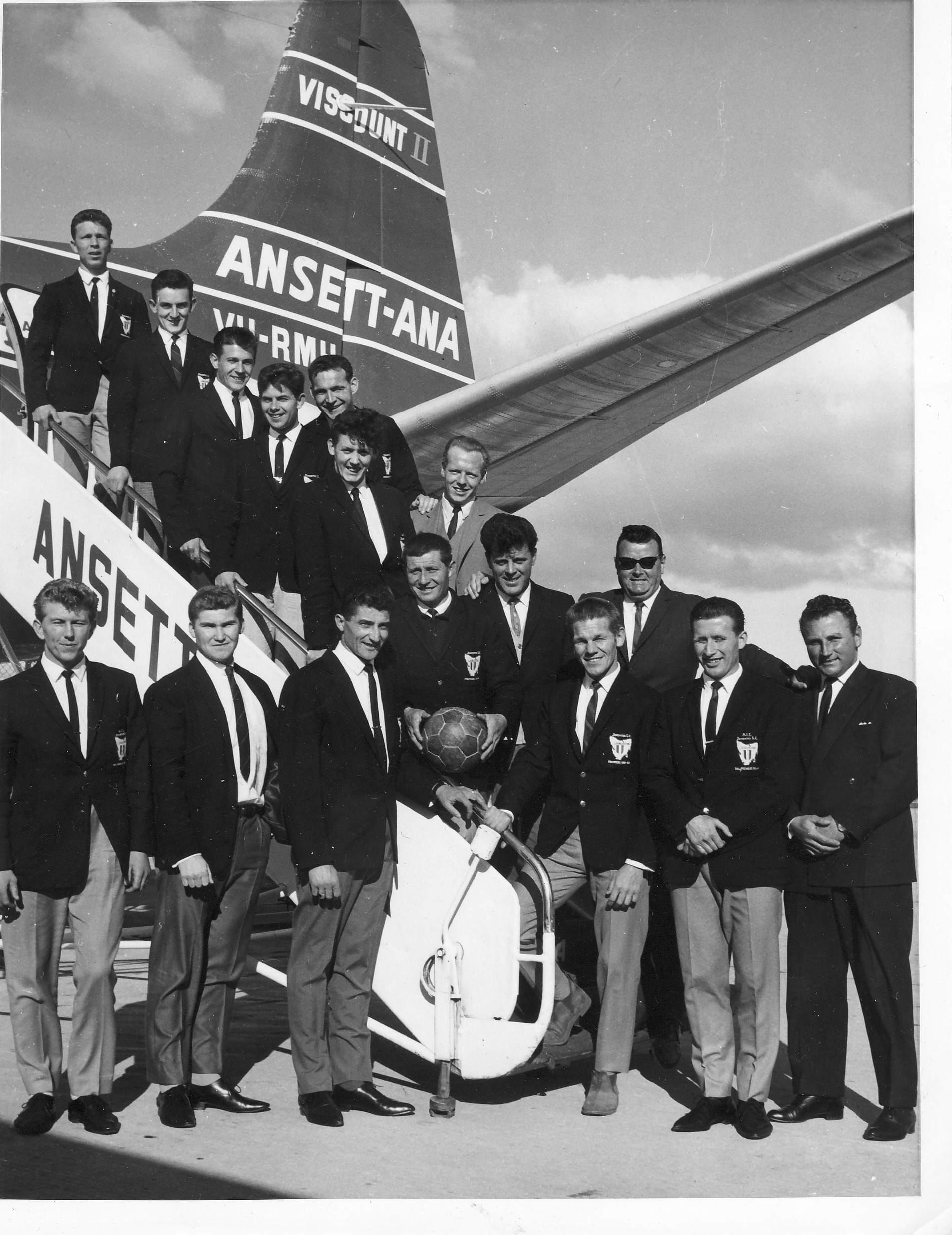
1968 State Championship Side: W. Lockett, N. Watson, C. Baird, J. Beresford, P. Mies, T. Strickland, P. Winnett, H. Streit, M. Morosini, E. Visentin, A. Whitemore Subs: B. Cook
A year later in the North of Tasmania the merger of the North and North-West Leagues came to fruition for the 1969 season becoming the Northern Combined League. The club continued on from the previous year and went onto win the first Northern Combined League by 6 points over Launceston United and finishing the season undefeated with an unblemished 18 wins from 18 matches and Hans Streit completing the successful year in taking out the leagues Golden Boot with 25 goals.
The 1969 State Championship was the first between the two Juventus clubs in Tasmania involving ourselves and sister club Hobart Juventus. The State Championship this time round was to be completed over two legs, the first leg to be played out of our then home ground White City which we won 4-2 thanks to a double from Hans Streit and singles to Morosini and Winett.
The second leg at South Hobart didn’t go according to script with Hobart Juventus coming out after half time scoring three goals to win on aggregate 6-5.

1969 State Championship Side: W. Lockett, Wilson, C. Baird, Brown, P. Mies, T. Strickland, Schroeder, H. Streit, M. Morosini, E. Visentin, B. Van de Pols Subs: F. de Paoli, Cook, P. Winnett
Throughout the 60’s numerous Launceston Juventus players went onto represent Northern Tasmania in representative tournaments and were talked about being some of the greats around that era such as: Terry Clark, George Arnott, Jack Mooney, Peter Mies, Tommy Strickland, Franco Pieruzzi, Mario Morosini, Enrico Visentin, Len Gugliotti, Toni Zanetto, Luigi Mischis, Hans Streit, Luciano Longo and Alan Whitemore
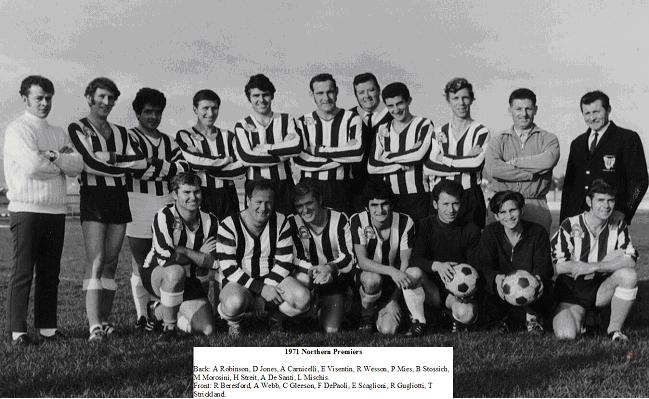
The 70’s didn’t start off to the best of starts with the club relinquishing the Northern Combined League title finishing third and four 5 points behind Champions George Town United after they signed three of our players Alan Whitemore, P. Winnet and N. Wilson.
The club signed influential Englishman and now Life Member Ross Wesson from Metro Claremont late in the season of 1971 going onto reclaim the Northern Combined League in 1971 over Launceston United on a +11-goal difference. The side would complete the double winning the Northern Knockout Cup against Launceston United over two legs.
In the 1971 State Championship Final the side were outclassed by Hobart Juventus losing 6-1 at White City, Invermay and also 6-2 away at South Hobart to lose 12-3 on aggregate. Hans Streit scoring a double at South Hobart and Van de Pols scoring the lone goal at White City.
1971 State Championship Final: W. Garrett, P. Robinson, F. de Paoli, A. Webb, T. Strickland, J. Beresford, P. Jones, H. Streit, L. Gleeson, P. Mies, R. Wesson Subs: M. Scaglioni, B. Van de Pols
1972 saw the club go back to back once more in taking out the Northern Combined League finishing 4 points (2 points per win) clear of runner up George Town United. Once again, the club came up short in the State Championship Final against Hobart Juventus losing the first leg at South Hobart 3 nil but winning the second leg 3-2 after a gallant effort at White City. Hans Streit again doing what he did best in scoring a double complemented by a strike from Robinson.
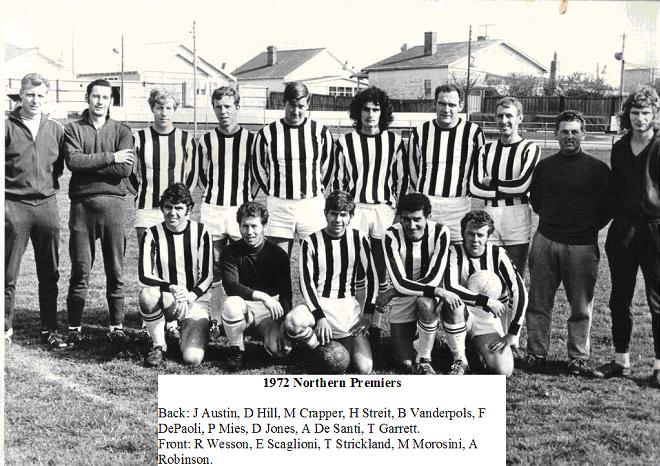
1972 State Championship Side: L. Gugliotti, F. de Paoli, P. Jones, R. Wesson, T. Strickland, Crapper, M. Morosini, H. Streit, P. Mies, A. Robinson, B. Van de Pols Subs: J. Austin, Macaskill
1973 proved to be a nail biter in the Northern Combined League as we failed to complete the treble finishing runner up to Ravenswood Olympic who was coached by club great and Life Member Peter Mies would go onto beat us in the second last game of the season 2-1 with another Life Member in action Leighton Hodge scoring the winner.
The League went down to the last game of the season and Devonport at Valley Road stood in our way from claiming the title as we went down 1 nil to finish one points behind Ravenswood who took care of business against Burnie Rovers at Montello 4-2.
The club would drop down to third at the conclusion of the 1974 season but would storm back with signing Devonport’s Champion goalkeeper Joe Udovicic to be Northern league winners in 1975, seven points clear of Ulverstone. Hans Streit once again being the leading the front line that scored 97 times and conceded 19 goal in 22 matches.

The proceeding State Championship would prove our undoing yet again this time at the hands of Croatia Glenorchy. The first leg played out of Brooks High ended in a 1 all draw with then State U16 representative Braden Carter scoring our solitary goal.
In the second leg at South Hobart things looked promising shooting off to a 2-1 lead until Croatia equalised in the 79th minute to send the game to extra-time and from there it was all Croatia Glenorchy running out 4-2 winners are adding to our long list of losses in the State Championship final.
1975 State Championship Side: J. Udovicic, F de Paoli, de Plotta, R. Wesson, T. Strickland, I. Spiranovic, Whitton, M. Morosini, H. Streit, B. Carter, A. Robinson Subs: P. Moore, J. Beresford, E. Visentin
In 1976 the club completed the double in winning a fifth Northern Combined League since its inception in 1969 and also taking out a second Ampol (Statewide Cup) on the back of a ‘brilliant game’ by goalkeeper Nick Scott to lead us to a 1 nil victory over Hobart Juventus, claiming the $900 cheque and trophy back in those days.
1976 Ampol Cup Winners: N. Scott, B. Colla, J. Butler, V. Beal, T. Strickland, B. Hemsley, H. Streit, D. Collinghan, Ponting, P. Mies, A. Robinson Subs: P. Moore, Clark, E. Visentin Coach – J. Austin Trainer – A. De Santi

However, a State Championship and Statewide Cup double was rare in those days with only three other clubs managing the feat as we faced Rapid Wrest Point for the State Championship.
The first leg at South Hobart once again proved our undoing losing 3-2. The second leg at Brooks was a see-sawing affair with Hans Streit giving us the lead until a Tommy Strickland hand on the goal line conceded a penalty which was converted.
Hemsley and Streit put us ahead on aggregate however Rapid got one back to tie it up and send it to extra time. Neither side could trouble the scoresheet in extra time and it sent the tie to penalties which was a first for a State Final which used to be settled by a replay or even corners. On this occasion Rapid edged us out in the shootout to hand us our 10th loss in the State Championship final and have us continue our search next State Championship victory which has eluded us since 1963.
1977 was Devonport’s year to do the League and Ampol Cup double by defeating us in the final by 1 nil, while we finished third in the league 10 points behind champions Devonport and runner up Burnie Spartans.
The ‘true’ Statewide league was first introduced in 1978 and was announced to be an 8-team league that you had to apply for and accepted on criteria based off home ground, facilities, financial status, club supporter base and success of the club over the last 10 years (1968-1978)

The Tasmanian Soccer Federation initially rejected our submission for entry and the club appealed the decision on the back of some hard work from Peter Mies and volunteers to get our current home ground with a training ground and changeroom facilities up and running in Prospect adjacent to the Australian Italian Club on Westbury Road.
The appeal was successful and alongside our entry Rapid Wrest Point was also accepted making the new Radio Rentals Statewide League a 10-team competition.
The club found the going tough in the new competition winning 7 games out of 18 and finishing 6th place on the ladder, 10 points off league champions White Eagles.
1978 State League Squad: T. Garrett, B. Colla, T. Strickland, J. Butler, B. Hemsley, J. Hodge, C. Collins, A. Heap, Gibbons, Ponting, L. Hodge, S. Foden, Foran, V. Beal, S. Clark, P. Gimpl
The club faired a little better under Paul Throssel in 1979 finishing 5th in the league 9 points off winners Rapid. However, they would stop Rapid from completing the treble by defeating them in the Cadbury Cup after a 5-4 penalty shootout win in what proved to be our Captain and the late Tommy Strickland’s final state league match as he announced his retirement and was chaired off, under lights at KGV after playing over 400 matches for the club.

With the State League into its third season the club would again find the going tough under the guidance of Ross Wesson and even with the signing of a man that would go onto influence Tasmanian Soccer for decades – Peter Savill.
The club would finish the 1980 State League season in 7th place out of 10 teams, finishing on 14 points (6 wins, 2 draws, 10 losses) and 19 behind the Ken Morton led Rapid Wrest Point.
In 1981 the side performed much better in the State League under Englishman Ken Worden. Peter Sawdon proved to be an astute signing making his mark instantly in taking out the golden boot for the league with 20 goals. Our biggest win for the season was a 12-1 win over Glenorchy Croatia, a State League record for highest scoring game until the Victory League was introduced in 2013.
The Sawdon and Paul Wormley strike partnership heroics weren’t quite enough to get us our maiden State League title falling short on goal difference to Caledonians after we were the only side to go throughout the season undefeated, but four draws cost us compared to Calendonians one.

In the Cadbury Trophy we’d be knocked out in the semi-finals losing 2-1 to an improving Launceston Croatia with Peter Sawdon being our lone goal scorer.
1981 State League Team: J. Ludovici, J. Butler, T. Warmsley, E. Guest, G. Hilli, T. Garrett, I. Abley, D. Conlan, P. Sawdon, J. O’Donnell, K. Worden, P. Savill, B. Hemsley
With sponsorship being pulled from the Tasmanian State League in 1982, soccer in the state went back to regional competitions. The club would lead the Northern State League for much of the year but finished runners up and 3 points behind Devonport after a downturn in form towards the end of the season. The club would manage to win the Northern Reserves league over Devonport by 2 points.
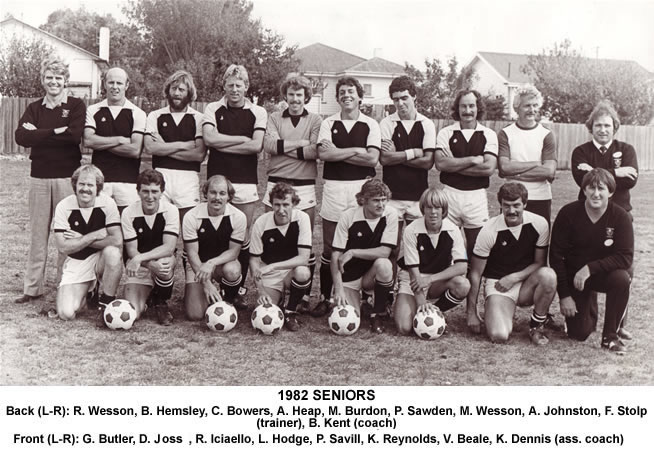
1982 Northern State League Side: M. Burdon, B. Hemsley, C. Bowers, A. Heap, P. Sawdon, M. Wesson, A. Johnston, J. Butler, D. Joss, R. Iasiello, L. Hodge, P. Savill, K. Reynolds, V. Beale
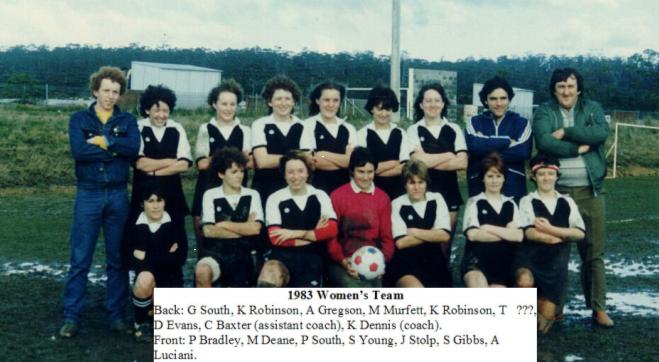
In 1983 our first women’s team coached by Kerry Dennis took to the field in a Northern Women’s League, while finished their Northern State League campaign in 5th on the ladder.
1983 Women’s Squad: K. Robinson, A. Gregson, M. Murfett, K. Robinson, D. Evans, P. Bradley, M. Deane, S. Young, J. Stolp, S. Gibbs, A. Luciani
Some of our emerging players Warren Dent, Luigi Gugliotti and Matt Wesson represented the North against the South of the state, losing 1 goal to nil.

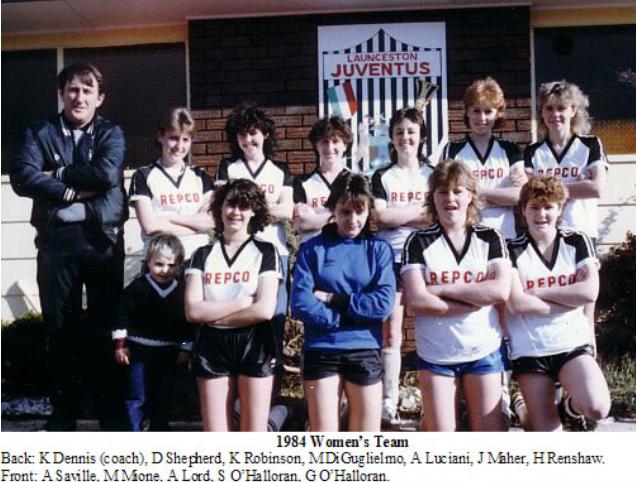
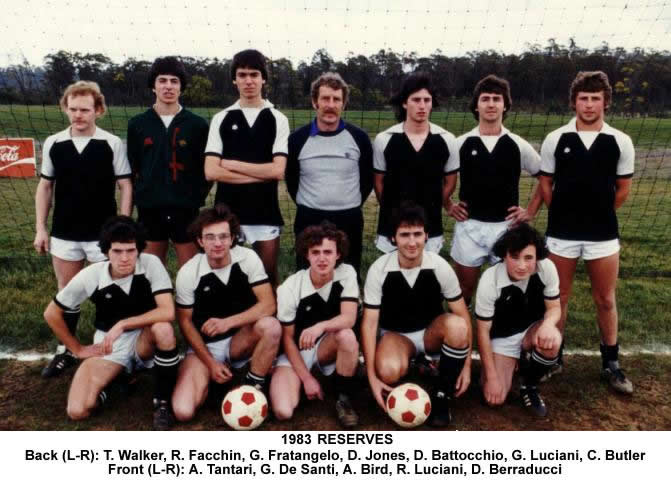
1984 would continue to be a rebuilding year with many of our young players finding their feet in the Northern State League. Our reserves would have a successful year and win their league title while losing 1 nil in the first ever State Reserves Championship playoff to University.
’84 was also the year our current junior club was established with coaches and parents from Summerdale Primary and West Launceston Primary Schools forming the Western Suburbs Junior Soccer Club, headed by founding President Rob Brewer. The newly formed club would play matches of a Saturday morning at primary schools around the Launceston area, which would remain the case until 1988 when all junior matches would be played out of Ogilvie Park, Invermay (where Bunnings North Launceston is situated currently).
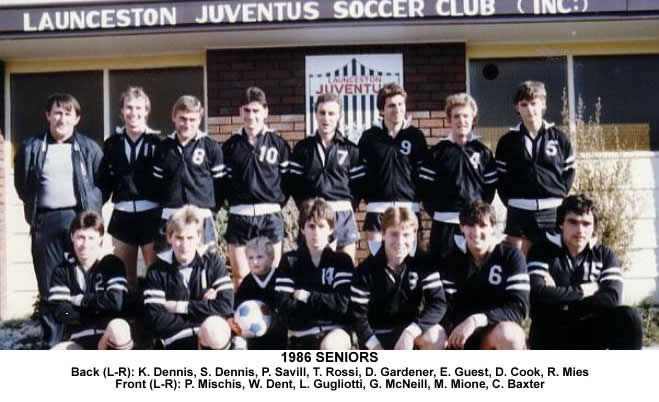
In the newly named northern league being called the Honeychurch Premier League, our 1986 side began to climb the table and would finish third, four points behind winners Ulverstone. The men would finish the season on a high and win the northern Honeychurch Cup.

1986 Honeychurch Cup Winning Side: W. Dent, D. Gardiner, R. Mies, G. McFarlane, B. Hemsley, C. Guest, S. Dennis, T. Rossi, T. Gale, L. Gugliotti, B. Davidson, P. Savill, S. Kaitini, E. Guest
Coaches and support staff: L. Hodge, J. Burden, M. Pullen, R. De Santi
‘86 capped of a fine year by English import Colin Guest taking out the Statewide Rothman’s Gold Medal to be adjudged as the best and fairest in the state with 29 votes, 3 votes clear of his Andy Fraser from Launceston United. Roger Mies was our second highest poll getter with 19 votes and Steve Guest on 10 votes.
Our reserves would once again win their division, four point clear of Devonport.

Coached by Leighton Hodge in 1987 the club would take their first Steve Hudson Cup (Northern Pre-Season Cup) and go onto finish one spot higher on the ladder in the Honeychurch Premier League finishing runner up and two points behind Ulverstone who made it back to back Leagues titles. In the newly sponsored Bohemian Restaurant Statewide Cup we were to be knocked out by eventual winners Hobart White Eagles in the Semi-Finals.
Peter Savill would cap off a fine year, winning his first and confirming a Launceston Juventus player would go back to back years in the State Best & Fairest Award the Statewide Rothman’s Medal after Colin Guest won it the year previously.
Also, in 1987 the women first tasted success finishing top of the table and undefeated in their league campaign. The men would also end their season on a high going back to back Honeychurch Cup winners.
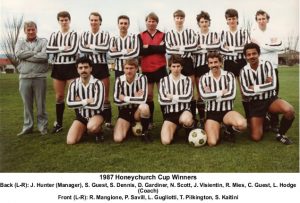
1987 Honeychurch Cup Winning Side: N. Scott, S. Guest, S. Dennis, D. Gardiner, J. Visentin, R. Mies, C. Guest, R. Manglone, P. Savill, L. Gugliotti, T. Pilkington, S. Kaitini
Coaching Staff: L. Hodge, J. Hunter
In 1988 the State League was reformed once more with the introduction of a win being worth three points for the first time. Ross Wesson took the reins of the senior men from Leighton Hodge. Ross’s side would end up finishing a credible third with 31 points on the State League ladder, however being 14 points behind the formidable White Eagles side and Olympia finishing second 6 points ahead of us.
The club would start the 1989 season on a high winning the Steve Hudson Cup under new Player/Coach Peter Savill and would go onto finish 4th in the State League on 32 points after 18 rounds with the powerful White Eagles side taking out the title yet again, 20 points ahead of us.
Peter Savill would mark his status as one of the most consistent and best players in the State adding the Vic Tuting Medal formerly named Rothman’s Medal to his ’87 feat.
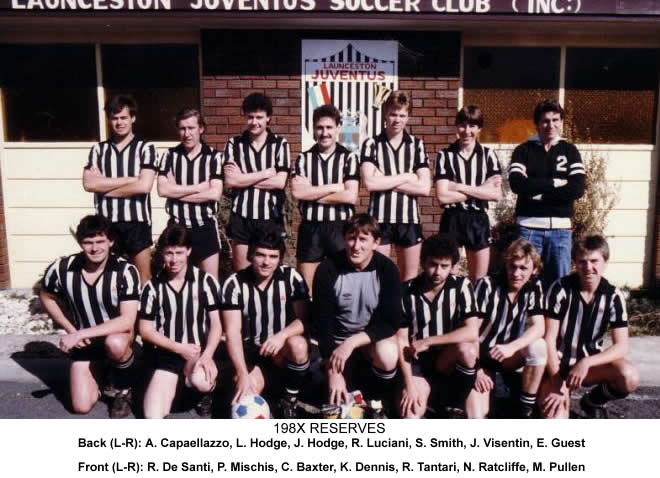






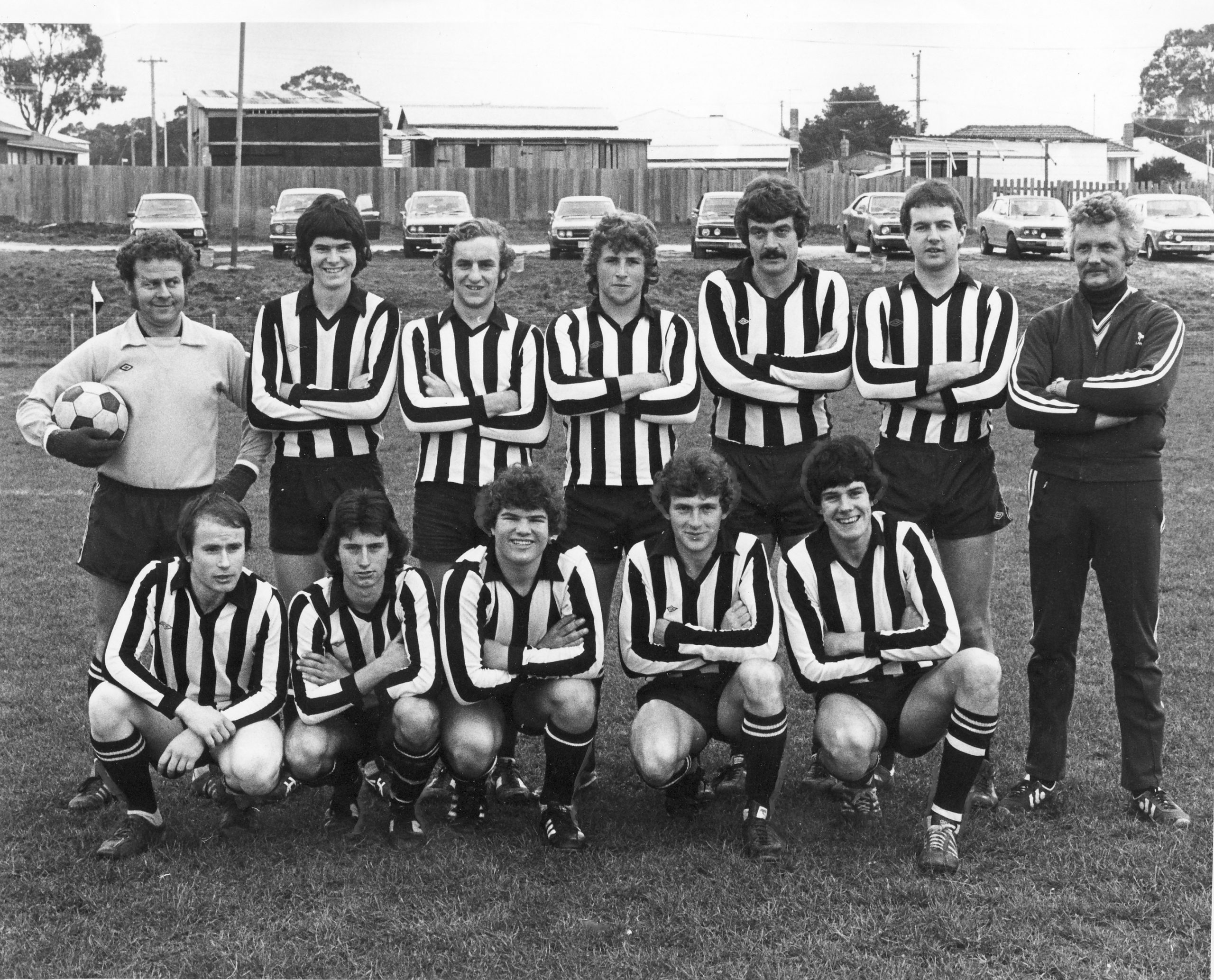
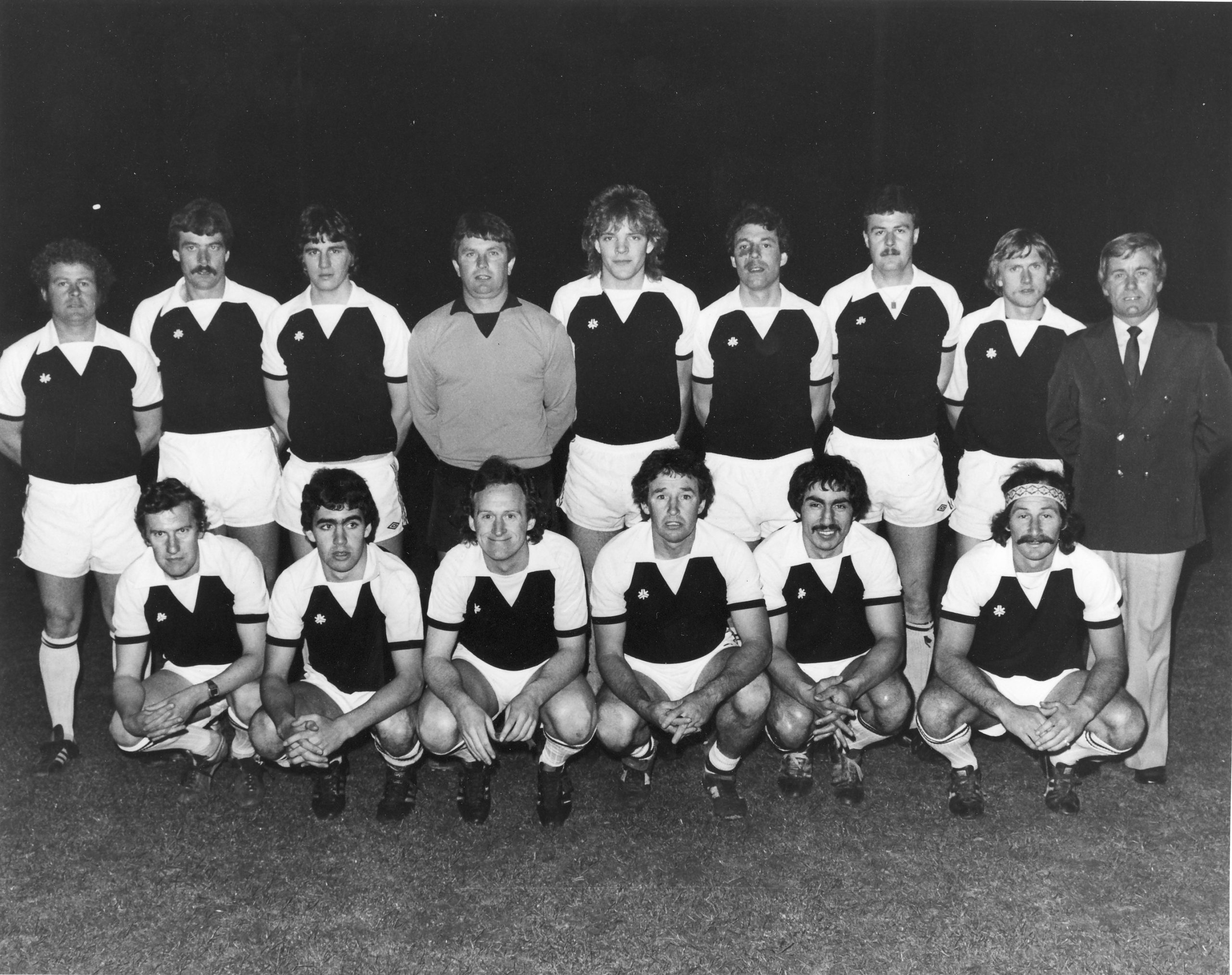


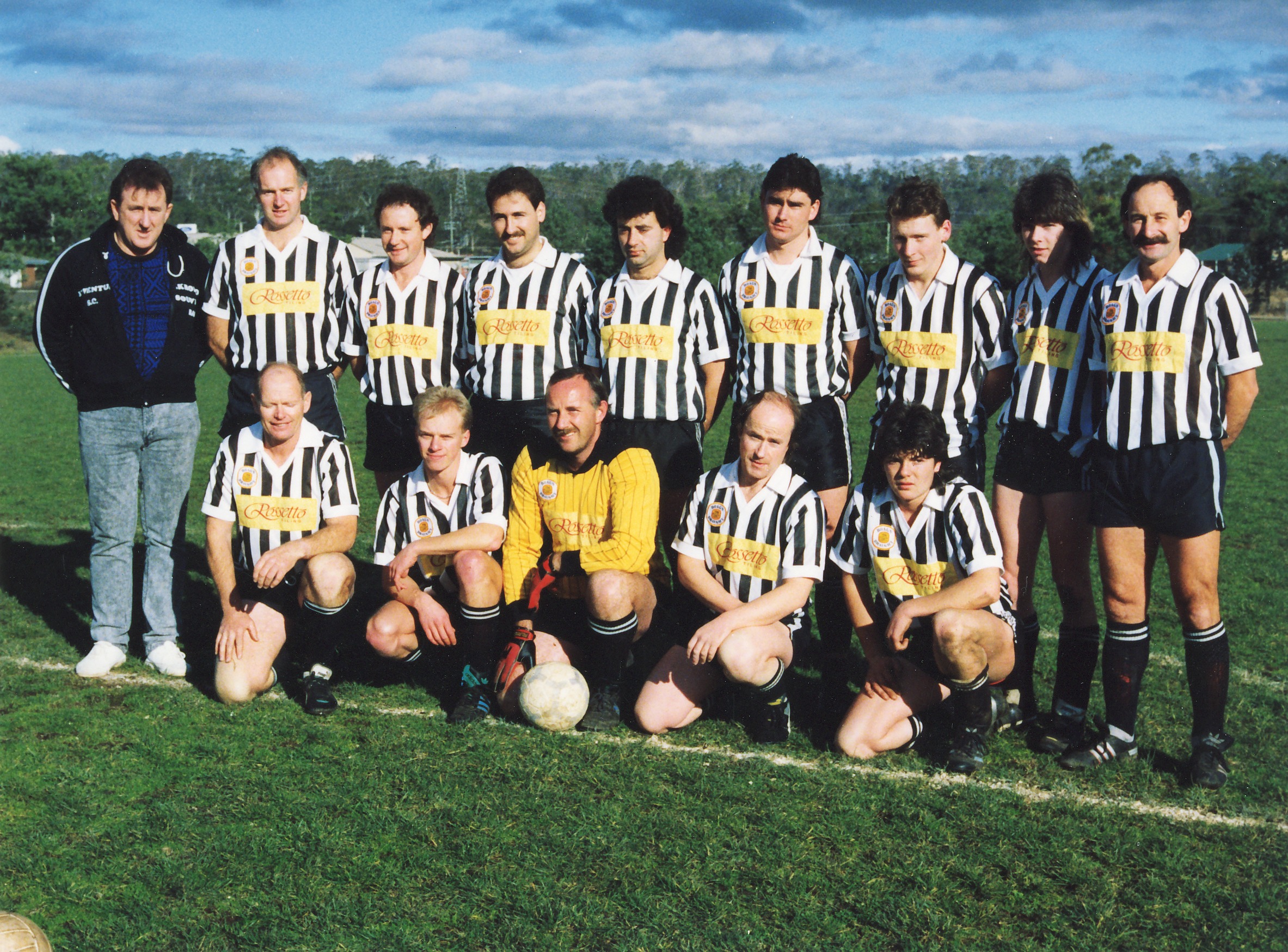
A new decade saw the alignment of Launceston Juventus and the Western Suburbs Junior Soccer Club to create a pathway for junior players in the Western Suburbs of Launceston wanting to further their playing career into their late teenage and adult years and the Juventus Junior Soccer Club was formed playing in the NTJSA (Northern Tasmania Junior Soccer Association) out of Ogilvie Park, Invermay
Peter Savill led the 1990 State League side composed with the likes of: Warren Dent, Drew McNeil, Peter Savill, Peter Davidson, Liam Monagle, Branco Barac, Paul Gimpl and John Visentin to finish one place higher on the ladder than in 1989 and finish a respectable third place, however still 17 points adrift of the all-conquering White Eagles side.
‘Sav’ would again lead the State League men to a Steve Hudson Cup crown and third-place finish in ’91, seven points behind White Eagles. Roger Mies finishing as the club’s top goal scorer in the league with 11 goals.
But silverware came in the form of the Under 17 Northern League and Statewide Cup, knocking out White Eagles in a semi-final that went to extra-time. A young 16-year-old Jason Clayton bobbed up with two goals with one goal three minutes before the end of regulation time to make it 3 all and send the match into extra-time.
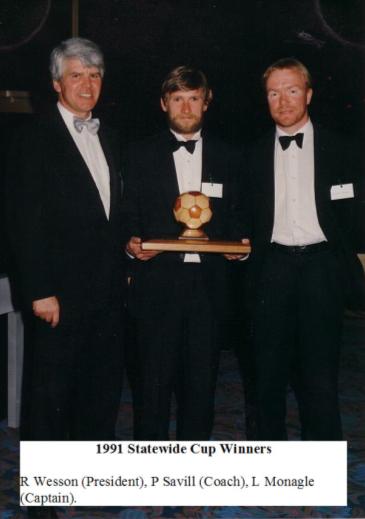
In the State-wide Cup Final held at Birch Avenue we’d face Devonport to claim our third Cup. Jason Clayton once again playing a big part in scoring two goals and setting up a third for Roger Mies.
Luigi Gugliotti would go onto represent Tasmanian for a match against the Australian Olympic Team (Olyroos) at KGV.
In ’92 under ‘Sav’ the State League side finished 5th while Devonport took out the honours. A highlight of the year was a 9 goal see-sawing match against White Eagles (2nd) in which Jason Clayton and Roger Mies once again showed their lethalness up front being involved in 4 of 5 goals in the 5-4 win.
Our State League Reserves would finish runners up to Hobart Juventus in the league and runners up in the U17 Northern Cup Final losing to Ulverstone 2-1.
The State League Reserves would go one better in ’93 and win the league title ahead of Croatia Glenorchy while the Seniors finished 5th but took out the preseason Steve Hudson Cup.
Roger Mies would represent Tasmania across 5 matches that included a match against Japanese J-League side Nagoya Grampus at North Hobart Oval in front of 2,400 spectators, ending in a 3-nil loss. While the other matches were against Victorian clubs’ South Melbourne and Heidelberg United.
A Tasmanian Reserve side would also be formed to play Nagoya Grampus Reserves and win 1 nil featuring Peter Saville, Luigi Gugliotti, John Visentin and David Craig.
The State League would trial a Summer League across 1993/1994 to put ‘bums on seats’ and fall in line with the schedule of the National Soccer League (NSL).
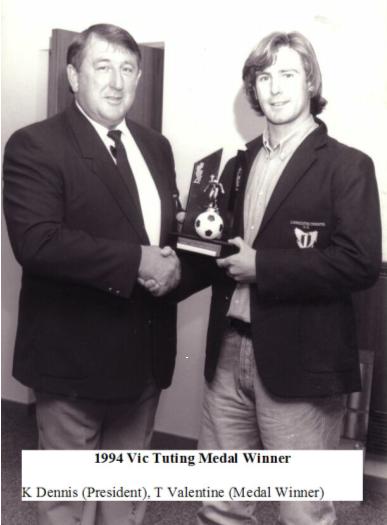
Devonport would go undefeated throughout the campaign in which we’d finish in second place under David Craig, 14 points off the champions.
The season would end on a higher note with Anthony Valentine taking out the Vic Tutting Medal (State League Player of the Season), making it the fourth time a Launceston Juventus player to achieve the feat.
In the Summer State League of 1994/1995 which would be the last summer edition running from November to June, the club would benefit from Devonport withdrawing from the competition allowing for the key signings from their Championship side the previous year of Charlie McCaffrey, John ‘Snowy’ Compagne and Tom McGinn.
Silverware wasn’t forthcoming however as White Eagles ran away with the title with an 11-point margin over us in second place.
We’d manage to make the final of the State League play-off series only to lose 3 nil at the hands of White Eagles at KGV.
However, the year would be capped off as a success with the installation of the floodlighting on our main pitch, which would extend to some part of the bottom training grounds. Enabling us as the only ground in the Launceston area to host night matches for the next decade.
In 1996 the senior men’s side would take out the Steve Hudson Cup once more and return to a State League winter roster which heralded a change of coach with Peter Davidson replacing David Craig. The side even with the acquisitions of John Frost from England and David Hill from Queensland finished 5th in the league, narrowly missing out on a top four finish, while White Eagles would once again finish top of the league.
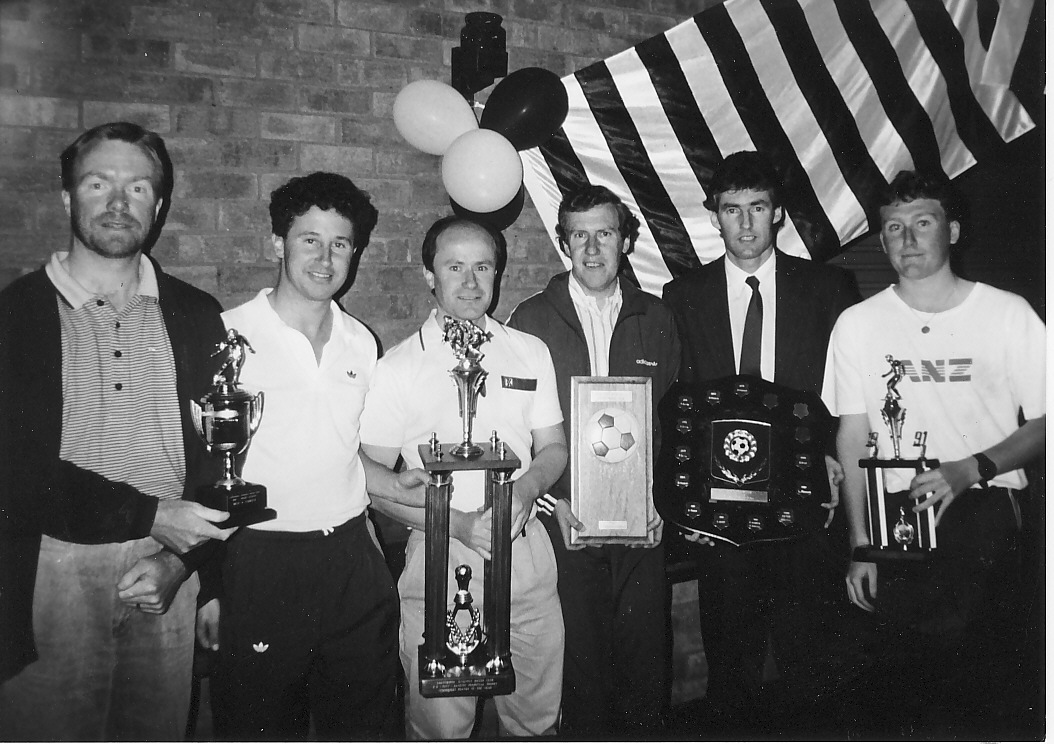
1997 the club received directive off then football governing body Soccer Australia headed by Chairman David Hill’s “MARKETING MEETS MULTICULTURALISM: DAVID HILL’S NATIONAL MERCHANDISING PLAN, 1996-97” that the game in Australia wouldn’t allow for ethnic based names (Juventus) to be under Soccer Australia’s jurisdiction.
This led to the Launceston Juventus and Juventus Junior Soccer Club having to change names to non-ethnic names.
The senior club decided on Launceston Zebras initially in 1997 but a year later (1998) would decide to change once more to Launceston City while the junior club would be renamed as Westside Devils Junior Soccer Club, to which the names stayed until 2018 when Launceston City & Westside Devils aligned names to be known as Launceston City Devils FC.
Under a new name ‘The Zebras’ the club would finish in 5th position in the State League, 18 points behind champions New Town Eagles (White Eagles).
The side would fair a little better and reach the State-wide Cup Final however but once again falling at the hands of New Town Eagles in the final losing 5 nil.
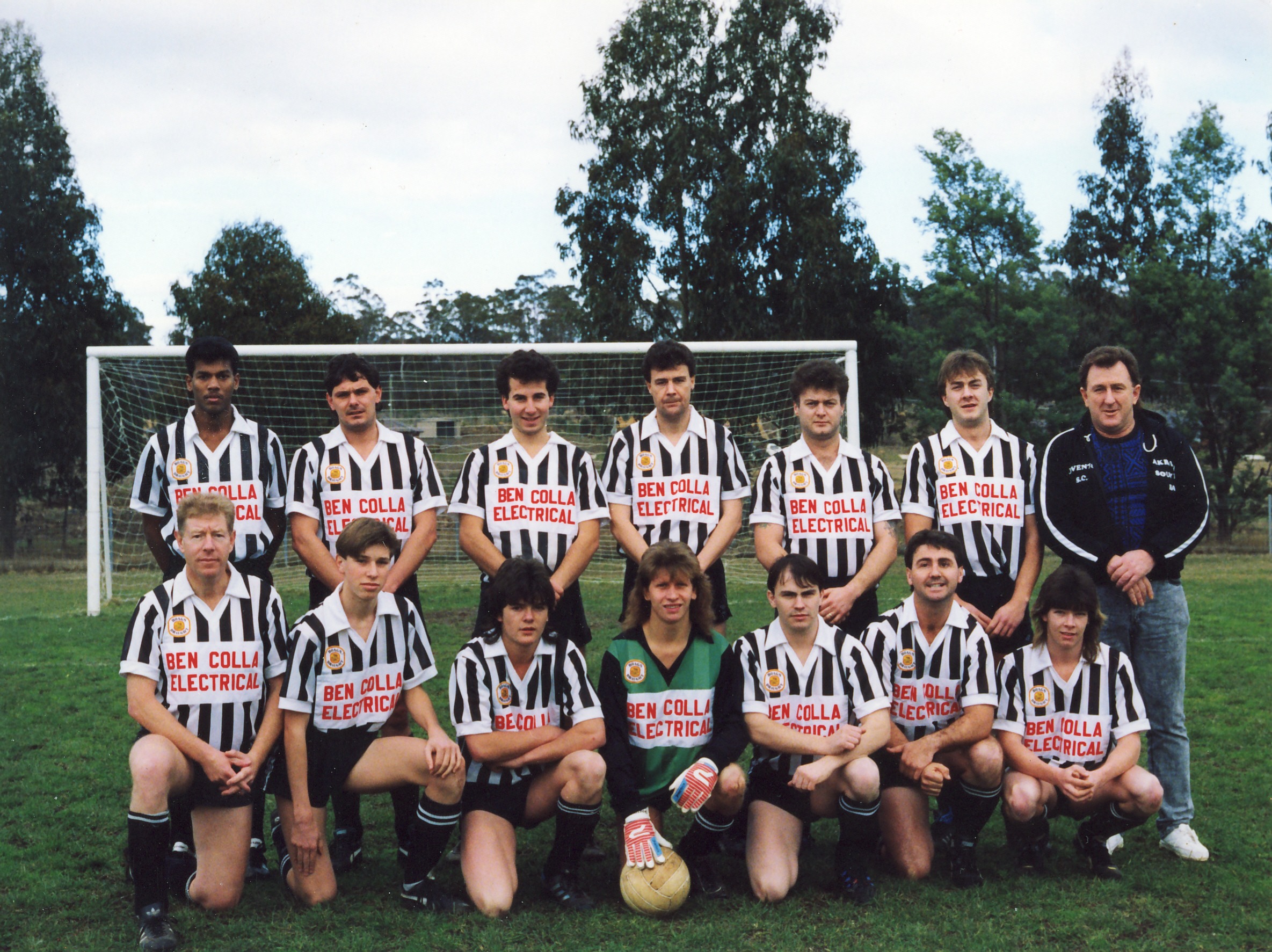
In 1998 the club would finish in the top three of all the leagues entered, finishing third in the men’s State League 10 points behind champions Devonport, runner up and one point behind New Town Eagles in the State Youth League and runner up and one point behind Ulverstone in the Northern Women’s League.
To close out the decade in 1999 the State League men had their chance at winning the elusive State League going into the final match of the season only needing to beat bottom of the table Clarence United away at Wentworth Park.
University had won their match a day earlier to be two points ahead with our match still to be played against Clarence. A dogged Clarence outfit made the going tough and put up a fight which in the end was enough for them to register their second win and our third loss of the season to hand University their maiden State League championship.
Jason Clayton would finish the year as our top goal scorer on 14 goals, one ahead of Roger Mies.
Content in progress.
Content in progress.
Content in progress.
The Opal Juventus Academy is the cornerstone of Launceston City FC’s player development strategy, building on our 67-year history of nurturing home-grown talent and providing pathways from junior football to senior NPL and WSL teams. Located at Prospect Vale, the Academy prioritises long-term player development, offering a high-performance training environment for boys and girls aged 9–16, with access available to players both inside and outside LCFC.
What We Offer
- A structured technical-tactical curriculum that builds body-ball mastery, decision-making, game understanding, and football intelligence through age-based phases.
- Accredited coaches and specialist goalkeeper training, ensuring tailored development in each position.
- Regular local competition in NTJSA and Northern Youth Premier League fixtures, including representation at Devonport, Hobart and Launceston youth tournaments.
- Additional intrastate and interstate opportunities, including past participation in the Shepparton Cup in Victoria, with more interstate experiences under investigation for 2026.
- Part-time pathways for players not yet ready for full-time involvement.
- Dedicated child safeguarding aligned with the Child and Youth Safe Organisations Act 2023 (Tas), including mandatory WWVP registration for all Academy staff.
Scholarships & Inclusion
The Academy is proudly supported by Opal, one of Australia and New Zealand’s largest recycling, paper and packaging businesses. This support enables us to offer a Scholarship Program that champions:
- Girls and young women in football
- Families facing financial hardship
- Players from culturally diverse, Aboriginal, and Torres Strait Islander backgrounds
- Long-term LCFC members demonstrating leadership, values, and high potential
A Pathway to Senior Football
Our vision is to create confident, technical footballers who progress through the LCFC pathway and represent the club at senior level and beyond. In 2026, this includes opportunities for female Academy graduates to compete in Tasmania’s McDonald’s Women’s Super League upon LCFC’s return to the competition.
Graduates
Meet Amelie
Meet Ruby
Meet Tyson

HONOURS
MEN
| Type | Competitions | # | Winners | # | Runners-up |
|---|---|---|---|---|---|
| Statewide | State Championship1 | 2 | 1961, 1963 | 10 | 1960, 1965, 1966, 1969, 1971, 1972, 1975, 1976, 2001, 2005 |
| State League2 | — | — | 5 | 1981, 1994, 1995, 1999, 2025 | |
| Statewide Cup3 | 5 | 1966, 1976, 1991, 2004, 2007 | 6 | 1964, 1977, 1997, 2002, 2005, 2006 | |
| Cadbury Trophy4 | 1 | 1979 | — | — | |
| Northern | Northern Premiership5 | 17 | 1959, 1960, 1961, 1962, 1963, 1965, 1966, 1968, 1969, 1971, 1972, 1975, 1976, 1984, 1986, 2001, 2005 | 10 | 1964, 1967, 1973, 1982, 1987, 2000, 2002, 2003, 2004, 2006 |
| Northern Knockout Cup6 | 5 | 1964, 1965, 1966, 1968, 1973 | 3 | 1963, 1970, 1971 | |
| Steve Hudson Cup7 | 9 | 1987, 1989, 1991, 1993, 1996, 2002, 2004, 2005, 2007 | 1 | 2006 | |
| Advocate Coca-Cola Night Soccer Series8 | 1 | 1981 | — | — |
WOMEN
| Type | Competitions | # | Winners | # | Runners-up |
|---|---|---|---|---|---|
| Statewide | State Championship | 2 | 2007, 2012 | 2 | 2006, 2008 |
| State League | — | — | 2 | 2016, 2017 | |
| Statewide Cup | 1 | 2015 | 2 | 2011, 2017 | |
| Northern | Northern Premiership | 17 | 1987, 1997, 1998, 2000, 2001, 2002, 2005, 2006, 2007, 2008, 2009, 2010, 2011, 2012, 2013, 2016, 2025 | 1 | 2003, 2004 |
NOTABLE PEOPLE
Key Details:
- Born: 18/07/1948, Bishop Auckland, England
- Joined: 1976
Achievements:
- 1979 – 2008 Men’s Hall of Fame Team
- 2008 Life Membership
Other Notes:
VIDEO
Key Details:
- Joined: 1964
Achievements:
- 1979 – 2008 Men’s Hall of Fame Team
- 1990 Life Membership
Other Notes:
VIDEO

Key Details:
- Born: 03/04/1965, Launceston, Australia
Achievements:
- 1979 – 2008 Men’s Hall of Fame Team
- 2002 Life Membership
Other Notes:
VIDEO
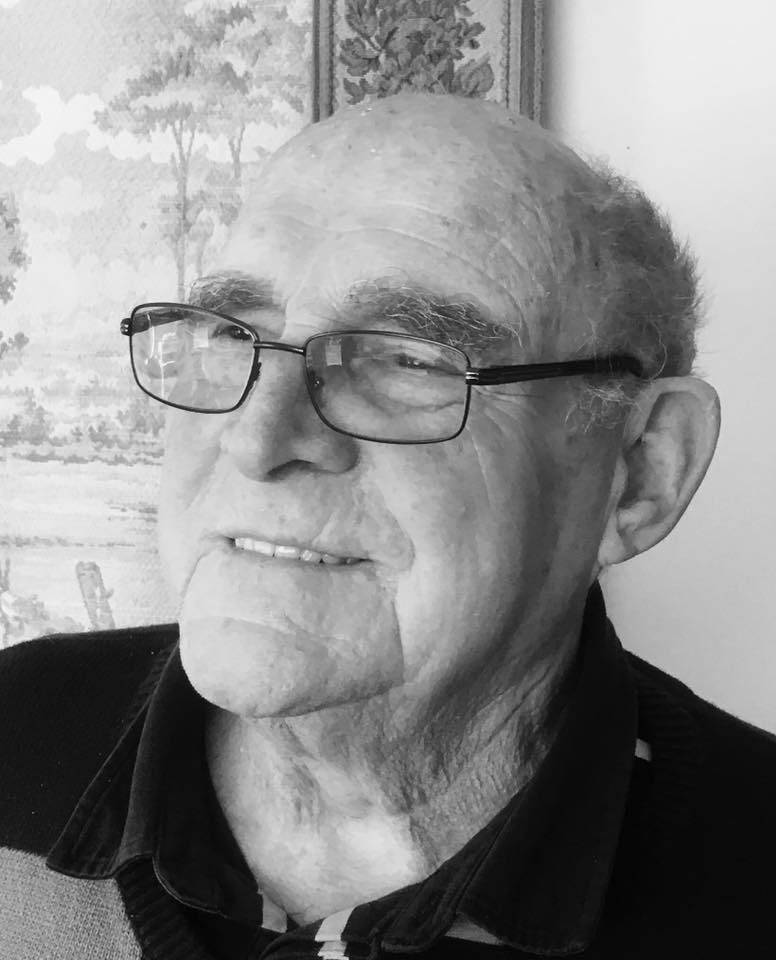
Key Details:
- Born: 18/04/1936, Maastricht, Netherlands
- Joined: 1961
Achievements:
- 1958 – 1978 Men’s Hall of Fame Team
- 1980 Life Membership
Other Notes:
- The Peter Mies Rising Star Award was introduced in 2016 to recognise promising male and female players in the senior club.
- In September 2024, the new changerooms at Prospect Vale were completed and named the Peter Mies Pavilion.
HONOURS
Northern League
1961
State Championship
1961
Northern League
1962
Northern League
1963
State Championship
1963
Northern League
1965
Northern League
1966
Statewide Cup
1966
Northern League
1968
Northern League
1969
Northern League
1971
Northern League
1972
Northern League
1975
Northern League
1976
Statewide Cup
1976
Northern League
1961
State Championship
1961
Northern League
1962
Northern League
1963
State Championship
1963
Northern League
1965
Northern League
1966
Statewide Cup
1966
Northern League
1968
Northern League
1969
Northern League
1971
Northern League
1972
Northern League
1975
Northern League
1976
Statewide Cup
1976
FOOTBALL TASMANIA HALL OF FAME INDUCTEE & LIFE MEMBER
For more than six decades, Peter Mies was at the heart of football in Northern Tasmania. Arriving from post-war Europe in 1960, Peter joined Launceston Juventus (now Launceston City FC) as a talented player and captain-coach, before going on to serve as committee member, president, life member and, ultimately, club Patron.
Peter was a driving force behind establishing the club’s long-term home at Prospect in partnership with the Australian Italian Club. He personally negotiated with contractors, helped build the ground and facilities, and, together with his wife Christina, even put their family home up as collateral to secure the club’s future. Today, hundreds of players call that venue home, playing on the foundations he helped to lay.
On the field, Peter was a multiple-time State and Northern representative, State champion and nine-time Northern champion, and he coached at several Tasmanian clubs. Off the field, he was a pioneer in lifting the standard of the local game, recruiting overseas players, bringing visiting teams to Tasmania and mentoring generations of players and coaches. Many who went on to become influential figures in Tasmanian football credit Peter’s guidance as life-changing.
Peter’s story has been recognised in the Meander Valley Council documentary “The Peter Mies Story”, in Adam Muyt’s book Clog Ball, and through the naming of Launceston City’s new pavilion in his honour in 2024. Football was a family legacy: his wife Christina is also a life member, and his son Roger and grandson Noah and Ryan have proudly worn the Launceston City and Tasmanian colours.
Respected by rivals, loved by his club and admired across the state, Peter embodied what community football can be-hardworking, generous, multicultural and deeply connected to place. His impact on Launceston City FC and Tasmanian football will be felt for generations.
HUMANS OF LAUNCESTON
Facebook Page
Original post
August 2, 2017
“I was four when the last world war broke out. My memories from that time are very vivid. We lived like animals my family. To survive. My family would spend most nights down in the cellar to avoid the bombs. Come up during the day to see what we could find to eat. The bombs were mainly from the Allies, not the Germans. They were trying to destroy the mines and industrial areas as they had been occupied by the Nazis.
Some of their bombs missed their targets and a lot of fire bombs were dropped. It set fire to everything instantly. There were always houses burning.
When the Yanks came and liberated us, we had plenty of food from them.
Everything was in cans. Soup. Meat. Fruit. Then we got on ticketed rations after 6-8 months of the canned food. My eldest brother was in the army and he joined a group they called the Partisans. They blew up the railroads and petrol supply lines to Normandy and without them, the war would have continued for another 3 or 4 years. Their escapades crippled the German attacks. My brother Jan ended up in the Buckauld Concentration Camp for two months.
I was born in the Southern province of the Netherlands in a place named Maastricht, close to the German and Belgian border.
As kids, we had a ball. Wartime or not. We were kids. We would pinch the cigarettes from the soldier’s buckets and we discovered condoms for the first time. We kids thought they were balloons and wondered why the soldiers had all these balloons. At school, I blew one up and a teacher was very angry with me but I didn’t know why. We later found out what they were (Laughs). He slapped me across the head.
I had played soccer all my life. I was playing in the third division. There were no professional teams back then. About four games to go, my coach put me in the senior team and we went on and won the championship and advanced to the second division.
The President of the Nr. Baak Soccer Club then owned a confectionery business and was quite well off so sponsored our prize for winning the championship. Our trophy was a suit. Not your typical trophy but it was great as nobody really had a suit back then. We didn’t have money for such luxury items like suits. It came in quite handy.
When I was 14 I went to work in the Maurits Coal mine, also known as ‘The Pit’. It was one of the largest underground coal mines in the world. If you have not been there you could not imagine. It was huge. It was dark and grimy and the worst place to work. But if you worked in ‘The Pit’, you didn’t have to go in the army.
It was tradition that on the way home from work, you would stop and have a few beers. I was still working there when I was 18, earning good money, about 250 gulden a week, which was huge money back then. And I was working very hard and also going to Night School and studying how to become a house painter.
In the pub one night I met a man, whom I grew up with and he was now in the Dutch Marines. Air, land and sea they would take care of and it was hard to get into. They were the elite soldiers of the Dutch Armed forces. He convinced me that if I wanted to get out of the mine, I had to enlist. If you served in the army you got 75 cents a day and in the Marines , you earnt $1.50 a day. I was used to getting good money so I chose to become a Marine.
When I joined, it was the coldest winter in 100 years. When I was standing in line, I had my hands in my pockets like I did when I was working in ‘The Pit’. An officer with the gold gallens on his shoulders came up to me and screamed “Get your hands out of your pockets” But I was cold. And I had learnt in ‘The Pit’, not to take any shit from anyone. So, I kept my hands in my pocket. He said “You’re a Marine now”. But I had not quite signed the papers so I said “Not yet I’m not”. And kept my hands in my pockets. He was not too happy.
I had a very trendy haircut and had to get it shaved off. I was sad about that. A barber put his hand on top of my head and shaved around it. It was the worst haircut I had ever had.
I was a good fit for the Navy and excelled very quickly. I was offered to become a sniper, a parachutist and a frogman. These were badges you earned and your pay rose by 50 cents a day for every badge you got. So, I got them all. I was a crack shot sniper and a very skilled diver and parachutist by the end of my time in the navy.
So, I was then sent to South America to a place called Curaco. In my time in South America, I was promoted onto the cruiser boats in a senior position and we sailed into other parts of the world that were joined to the Netherlands by ocean or that had a Dutch embassy. I travelled the world and it was fantastic.
In late 1955, I visited Sydney, Perth and Melbourne. And I remember thinking how beautiful it was and how someday I would perhaps like to live there.
Upon finishing my tenure with the Marines, I had to decide whether or not to go back to ‘The Pit’, but luckily by then, my brother Jan was the boss at a huge painting business and said to me “Well, you have studied it now it’s time for you to do it” So I did. But I didn’t like it. It was not a very challenging job.
Then I met a man who said “Do you want to earn some big money”?
I said “What doing”?
He said “Just come with me”.
Holland was full of homes with the big brick stack chimneys and they would have big steel grates every few metres for you know, stability and strength, and it was his job to paint all the grates to make sure they stayed strong enough to hold the chimneys together. We would be 120 metres high off the ground sometimes. We would have small planks of wood we would place in the chimney, and move up and up to each grate. No ropes. Just hooks and planks. It was incredibly dangerous and one bad step and you were dead. I earnt 4 times the average painters wage as danger money.
I stayed in that job for eight months until one day, we were having a beer in the pub after work, and I couldn’t get my glass of beer to my mouth. And my boss noticed my hands were shaking uncontrollably. He said “That’s it for you Piet, you’ve finished. It usually takes four or five months but it’s arrived late for you”. You see, because of the heights, and just standing on a piece of wood, it was so dangerous. But up there you think you are free, but you are not. It destroys your nerves eventually.
So, I had to leave that job. Around this time, I went to a dance and I met Christine. I thought she was gorgeous. And such a kind person. We married on the 14th May in 1960. We have now been married for 58 years.
(See wedding photo in top of comments)
A Dutch mate of mine had moved to a place called Legana in Tasmania and he wrote to me to tell me how beautiful and peaceful it was. So, we booked our flights and we flew into Launceston two weeks after we married. I still joke that we are still on our honeymoon (laughs).
If you didn’t have a supporter/ sponsor back then, they sent you to the migrant centre at Bonegilla. So, he set me up with his sponsor who had helped him get to Tasmania. We weren’t allowed to bring more than 50 pounds into the country. Don’t ask me why. I had earned such good money on the chimneys but had to spend it before our departure. I bought my mother a washing machine and a few other things.
At Launceston Airport, we were picked up in a brand-new FJ Holden and we came to Riverside. We stayed at a house that had a spare room that was owned by an old lady. When it rained, we had to keep moving the mattress to keep dry. The roof leaked and it was far from ideal.
(See photo of us at Princes Square fountain 1958 in top of comments)
My mate took me to a local soccer match, and it was Launceston United vs Juventus. I was over 6 foot 2 and very fit looking and a man came up to me and asked “Do you play football”?
I said “Yes I do”.
He said “I’m from Launceston United and I’ll pop in this week and grab your details and you can come and play for us” I said sure. Then, straight after, I was approached by a man from Juventus and he said “Nope. I will sign you up right now. What’s your details?” And that is how I started my life at Juventus F.C here in Launceston. 56 years I have been there.
We won the 1961 championships, the ’63 championships, we have won about nine Northern League finals and have been an integral part of the local football scene for 50 years, I played for them until I was 44 years old. I had to retire. I was having aches in muscles I never knew I had (Laughs) I had had enough. I have been president, captain coach and been a committee member for over 40 years and I am very passionate about the club.
(See photo of Juventus first team -1961 in top of comments)
Our original oval was at 63 George Street and we outgrew it so it came time to move. By then I was on the committee at the Australian Italian Club and I said we have to move. There was a lot of land behind the Italian Club but no money to buy it. So, I went guarantor on a loan to buy the land, which the club paid back to me over the next next decade.
So, we decided to build our own ovals and training grounds up behind the Italian Club at Prospect. I went to the fellow Dutchman, Bill Pel who had his own Construction business and said to Bill what our plans were. He said to me “I can do that Peter. That’s $90 an hour plus fuel. I said “But Bill, we have no money”. He said that he won’t be able to help until he could get paid, which was fair enough.
But I pestered him and ring him and pestered him again. I said to him ‘Look Bill, we have to do this, we are applying to be in the State League and one of the conditions is, we must have our own home ground and training facility. We only have 8 weeks in which to do it. It really is very important”.
I knew it would be a game changer for the game here in Launceston. It was imperative that we moved right then and there. And I was right.
Bill Pel finally said to me “Ok Peter, if you pay for my fuel, and buy me a beer, I’ll come down and do it for you”. It cost me $40 a day for fuel and within four days, he had that whole playing field at the right level. He was a good man Bill Pel. I still had a lot of work to do though and I spent the next few weeks down there with a Massey Ferguson tractor, reinforcing the ground with a gate on, getting rid of rocks, sowing seeds, laying topsoil. Lots of people from the club were involved and it was really starting to come together.
We sowed the grass and 8 weeks later, we played Hobart team Caledonians on the oval and we have not looked back.
We got all the new Australians to come play for us. We could not buy any England players as we had no money.
So, we decided to start Bingo nights at the club. And they became huge. A real boomer. $700-$800 a week for the club. And we started to serve meals there, about 100 on a Thursday night. And we made some decent money and put it all into bringing some very talented footballers here to Launceston.
The first one was Ernie Guest, the second one was Peter Savill and the third one was named Sawdon. All up we brought out about a dozen English players to Tassie over the years. The local players would lift their game when playing with such talented men. It was amazing to see. The belief they would get from playing with players from another level was inspiring for me to witness.
I got a call one day and got told that the German Second division team Harcta Three wanted to have a friendly match down here in Tassie. So, I said “Yes definitely let’s make it happen”. So, they came. We had a crowd of 5,000 people. There were cars parked all the way down to St Pats College.
All of the wives and other women from the club, decided to give them a big welcome to Tasmania gift and got a pig with an apple in its mouth, sewed it up, stuffed with Italian bread and the local Italian butcher came down and sliced it up and served it. It was a spectacular feast and we had a huge party with them that lasted until the early hours. The German team sent us a letter later on and said it was the best time they had ever down here in Tassie out of all the friendly matches they had played around the world.
Our recruits were all very talented but Pete Savill was something special. He was signed to Leeds United from the age of 14 and was a truly gifted footballer. He could pass the ball 40 or 50 metres just exactly where you wanted it. Head, chest or feet, he could do it. He went on to win every medal and accolade there is in Tasmanian Football including two Rothmans Medals.
After two years his visa run out and he had to go back to the U.K. He was offered a contract with a club in England and I said to him “Well, Peter, if you decide to come back to Tasmania, I will train you to be a painter and you can work for me”. He thanked me and went back to England to play football.
He rang me four weeks later later and said “Hello. It’s Pete Savill here. Were you for real when you offered me a job?” I said “Yes I am a man of my word Peter”. He said “I’ll get back to you”. 3 days later he rang back and said he had booked his ticket.
He came back to Launceston and started to work for me, and he was a bit wary as he had never had a job before. He was 24 and been a professional footballer since he was plucked up by the legend Don Rees at Leeds United.
On his first day painting, I visited him and he had paint all the way down his arms to the elbows. I laughed my head off and asked “How you going Pete”? He just smiled and said “Alright mate”.
Well, you know what? Pete Savill went onto become my best worker, never had a sick day, never late. Always did the job asked of him. He did so well in fact that I sold my business to him when I retired and he went on to have a very successful career, thanks to his smarts and hardworking ethic. He still does it to this day. A truly wonderful man and such an asset to our island is Pete Savill. I cannot speak more highly of him. He is just like me. An immigrant who contributed to the community who took him in.
Sav got paid match game fees but he always put more back into the club than he ever earned from the club. He loaned the club $15,000 of his own money so we could get the clubhouse finished. That man deserves all the good things that can come to him in life.
At one stage, he left Juventus and I must be honest, I was very disappointed at the time. But now I can see where he was coming from. He wanted to be a player and a coach and his ambition was very healthy. Nothing wrong with that.
Sav never chased the money. He chased his dream and wanted to achieve something great here in Tasmania and he did just that. He had the one thing that you need to be successful in football. And that is vision. He can see what is happening all over the ground. It’s a gift.
We have two kids Roger and Olga. Roger played football all of his playing life for Juventus City and still lives here in Launceston and is an accountant. Roger’s sons, Ryan and Noah, now both play for Juventus. Olga played soccer and loved her horse riding and is now an Education Manager at a school in Hobart. Olga has two boys Sam and Zac who play soccer for University and her daughter Olivia also plays football.
So our five grandchildren, are all studying and playing sport and we are very proud of them. They challenge me with questions and I love it. My son and grandson are so much better footballers than I was. I was the tallest in the league.
Juventus in my opinion is the closest club in Tasmania. We are a very loyal and tight knit club and some of the most wonderful people are involved in the club and committee now. Our new president played in our first State league final and has some good ideas. I think we have a great future.
I have a green thumb and gardening is one of my passions. My orchids have won first prize at many gardening shows around the state. Christine and I have travelled a lot overseas and we have seen most of the world. We have had a wonderful life. At my age, I can say to you that nothing in life matters more than your kids and your grandchildren. As long as they are ok, you are ok. But I believe that in life, when you do something for yourself, and make a living for yourself, and go through hardships, you can make decisions. This ethic rubs off on others in your life. Christine and I have had a beautiful life together and our family are just wonderful.
VIDEO
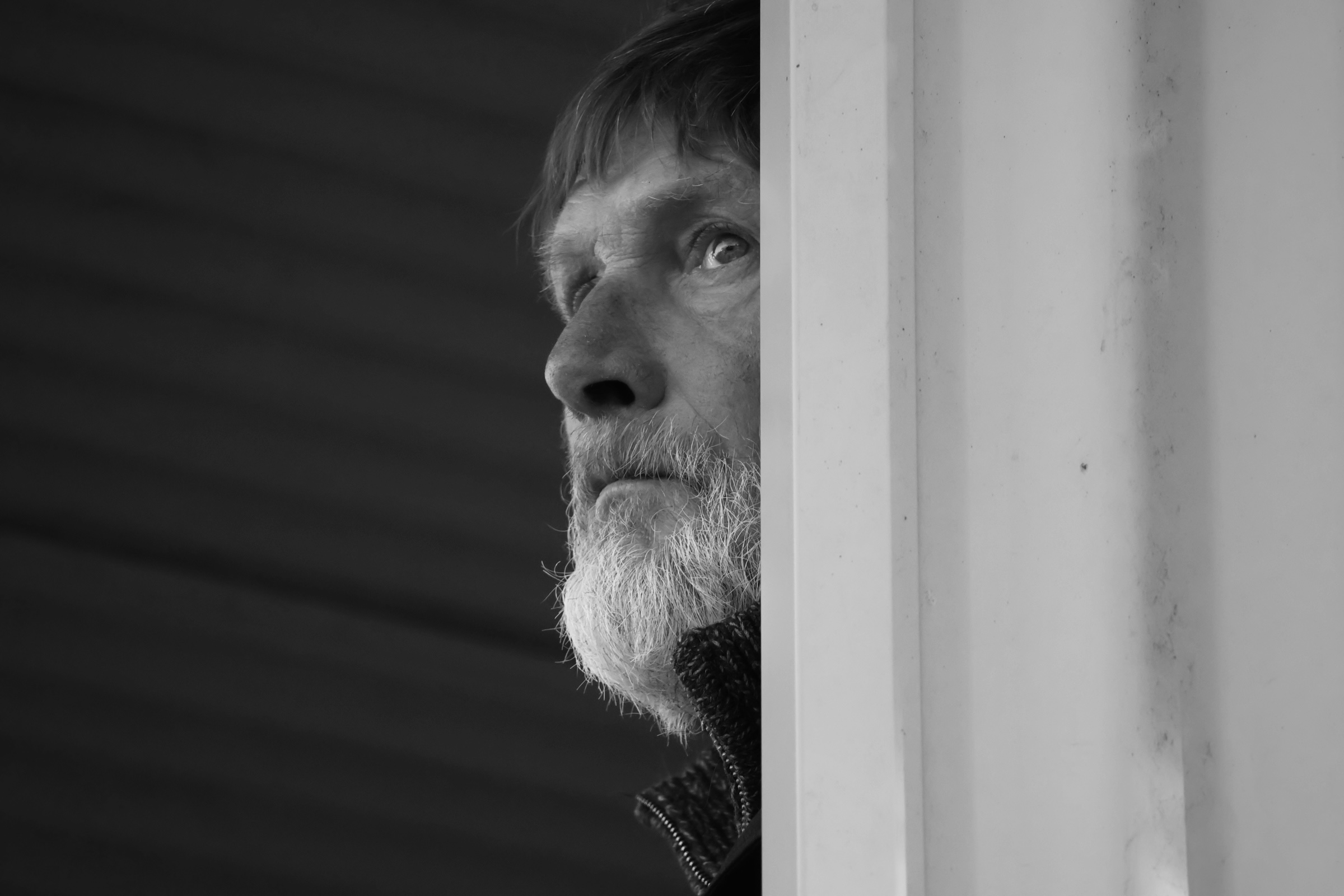
Key Details:
- Born: 11/04/1956, Bacup, England
- Joined: 1980
Achievements:
- 1979 – 2008 Men’s Hall of Fame Team
- 1982 Best and Fairest
- 1983 Best and Fairest
- 1987 State League Player of the Year
- 1987 Best and Fairest
- 1988 Best and Fairest
- 1989 State League Player of the Year
- 1990 Life Membership
- 2016 NPL Tasmania Coach of the Year (Devonport City Strikers)
Other Notes:
- Since 2009, the Launceston City senior men’s Best and Fairest award has been known as the Peter Savill Medal.
Humans of Launceston
Facebook Page
Original post
May 20, 2017
“When I first arrived here in 1980, I instantly fell in love with Launceston. It was very clean and quiet and a bit backward and I really liked that. The population was less than some of the crowds I’d played in front of, and that appealed to me also.
I was initially boarding with a bloke from the soccer club, Ross Wesson and his wife and not long after I arrived, he said to me ‘Come on Pete, let’s go to the pub and have a few beers’. That sounded like a good plan. He just walked out of his house, didn’t lock the door, once we arrived at the pub, he left his keys in his car, and in the pub he just left his money sitting on the bar!! I couldn’t believe it. In England, if you did that it’d be gone quicker than you know. You couldn’t even leave your washing on the line in Northern England as some bastard would nick it. Hence to say, I settled in to the relaxed and easy going laid back style of Launceston life very quickly”.
“I was born in Bacup, a small cotton industry town in Northern England, about 15 mile from Manchester. My mum had three kids and been divorced before she was 21. Back then, divorce wasn’t the normal you know, it was very much looked down upon, so she struggled on her own with three young ones. My dad just up and left after the birth of my younger sister. No idea why. He just pissed off and that was it. Never saw him ever again.
My sister Pauline was in and out of hospital most of her life. She suffered from asthma something terrible. She ended up dying at 15 from an asthma attack. It wasn’t anywhere near as treatable as it is now of course. It devastated my mum at the time.
Growing up, we had no money, but it didn’t worry us none. We had my grandparents with us, living in a two up-two down house with no bathroom and a toilet down the laneway. People say that life must have been tough but it wasn’t. I had a great childhood. We had the cricket field and football oval next door to our estate. We had it all on our doorstep and life was a lot of fun. Football was our life.
As we got older, my brother John ended up buggering off to a kibbutz in Israel. A kibbutz is basically a drug den. We had a period there where we drifted apart and he ended up moving to Australia and now lives in Queensland. We aren’t very close. Some families are. Some aren’t. But that’s life.
I played football all the way through school and I suppose you could say I showed a bit of form, so, at 13 years of age, I got selected for the representative teams for the region and eventually for the England national team at underage level.
We got to play at Wembley Stadium twice, in front of 60,000 people and in the next 12 months, I played in 7 international matches, including going to Holland and Australia. There were usually scouts around the matches and I must have impressed the right people because one day, after we returned from our trip to Australia, this big, fancy car pulled up at my house. Which was a big deal as no one in our street even had a car. In later years, I was the first person in my family to not only buy a car, but to ever drive.
So anyway, out of this big fancy car climbs Don Revie, who was Leeds United manager at the time. He wanted to sign me up to come and play and asked my mother if she could sign the papers, which of course she did. When he come into our place, he saw we had no carpet, just newspaper and cardboard on the floor, so he organised my mums house to be fully carpeted. He had a colleague who owned a carpet manufacturers so he took care of it. He didn’t have to do that, so it was a such a nice gesture. My mum was stoked.
So there I was, at 14 years of age, leaving school and off to play for Leeds United. It was a pretty big deal I suppose, but it’s only now that I’m older, that I realize how big of a deal it was. My mum then got an official letter from the club asking about my leaving school and other particulars.
I lived with a family in Leeds and they were paid by the football club to have me there as a boarder. So, here I was, just a teenager straight out of school and I was a full time professional footballer, playing in the Central League for Leeds United. It was pretty surreal but it was also a job. They were pretty tough on us young blokes. It was an apprenticeship of sorts. No drinking, train hard constantly, no misbehaving. We’d clean boots, sweep floors you name it. It was a tough but rewarding industry to be in.
Leeds United at the time were the Manchester United of today. They were winning everything. The F.A Cup. The European Cup Final. They were one of the best and richest football clubs in the world.
I was paid 90 pound a week plus 10 quid extra if we won the weekly game. To get some comparison, a full time miner who worked a 44 hour week, was earning about 50 pounds a week. So I was doing alright for a young bloke you know? The top pros were on about 300 quid a week.
I was playing alongside some great names. Billy Bremner, Johnny Giles, Norman Hunter, Tony Currie and Paul Madely. Huge names back in the day. These guys really were amongst the best footballers in the world and are integral parts of the folklore of English football. People like them, and Don Revie of course, when they’d walk into the room, they had an aura, a magnetism about them. It really was a fantastic environment for a young bloke to be in. I loved it really.
One day, we were playing a midweek match against Manchester United and we were great rivals. We hated them actually. It was a particularly bruising affair with plenty of vicious tackles. Our captain said to us before the match “If anyone gets sent off, I will personally punch you in the nose”. After I got sent off (laughs) I was having a shower before the match had even finished, and I heard a door slam and I thought hello I’m about to cop a punch in the shnozz here. It was my captain. He’d been sent off too. Talk about laugh.
Now I’m older and my kids are grown, I think about it a lot more. At the time, I wasn’t really that overwhelmed by it all because I was part of the inner sanctum of this renowned football world. But now, I recall it as being quite an exciting time in my life.
I never really kept any photos from my time there. Once I moved to Australia, my grandfather sent me over a heap of newspaper clippings and some photos, and that’s all I have today.
I was playing in the Central League and the next few years were quite successful for me. Then in ’74 I think it was, Don Revie ended up leaving Leeds to manage the England national team.
During my era there, Brian Clough came to be manager. He was a very intimidating manager and his tenure was so brief and legendary, they made a movie about it a few years ago called “The Damned United” which I absolutely loved watching. It brought back so many memories for me. He said to the players ‘Take your medals down! You’ve won nothing’. The players hated him. Clough only lasted only 44 days. Then Jimmy Armfield came on board, till ’78. He was replaced by Jock Stein, the best Scottish manager in history after having a great career with Celtic. Remarkably, he too, only lasted 44 days. The business of football is a harsh world that’s for sure.
The top ten players back then were chain smokers. Times have changed now. We played a European Cup Semi- Final first leg against Barcelona, which we won, and in the rooms, my memories are not of the game, not of the massive crowd, it was of the champion Dutchman and Barcelona striker Johan Cruyff, chain smoking before the match. This guy was the best in the world, second only to Pele’, winning the Ballon D’Or three years in a row and he smoked like a chimney. Hard to imagine really. We went onto to be beaten by Bayern Munich in the European Cup Final.
Jimmy Adamson replaced Jock Stein as manager at Leeds and he sacked me when I was 20 years old. That’s life. I have to be honest, I was never good enough to play in the first division. That’s not to say it didn’t devastate me to be sacked from a club I had devoted so much time and energy towards, but what do you do? You move on. So that’s what I did.
After I’d left Leeds, I had received offers from Australian clubs to go and play in Western Australia and Queensland. I was reading a magazine called World Soccer Weekly and I saw an advertisement for a club in Tasmania looking for players. That club was called Launceston Juventus. I answered the ad and made my plans to leave England. It was 1980 when I flew into Tasmania to start a new life.
After my first season with Launceston Juventus, I was offered a contract to go and play for Wimbledon, back in England. Leeds were now in the first division and Wimbledon were in the fourth division. So I went back but when I got back to the U.K, I just felt like it wasn’t right. I had my time in football, I wasn’t good enough to make it to the top, and it was time for me to settle down, get a job and allow football to become a second priority in my life. So I promptly came back to Tassie and I stayed here. I have never returned to England, but I would like to go back soon to see my mother before she dies. My mum remarried and I have never met her husband either. So I would love to get back there soon.
When I moved here, soccer was not a popular sport. VFL was the main sport. Soccer was a fledgling sport. People called it wogball you know? The president of Launceston Juventus Soccer Club was a great man named Peter Mies. I don’t mind admitting I was a broken down footballer when I came to Australia. I had no trade or skills other than football and Peter Mies took me under his wing and I will never forget the kindness and respect he showed me. I got a job working for him as a painter and decorator, which is the job I’ve done for the last 37 years. When he retired, I took over his business, and it’s been a successful profession for me and I’m now only a few years from retiring myself.
The soccer scene in Tasmania is all the more richer for having wonderful people like Peter Mies in it. He is a legend of the game here in Tasmania and I’ll always appreciate what he has done for not only me but soccer in Tasmania.
Launceston Juventus ended up becoming Launceston City and I played for them up until the age of 40.
I ended up coaching after I retired from playing. I coached Launceston City, Northern Rangers, Devonport Strikers, South Hobart and finally Hobart Zebras. I have just retired from there halfway through the season. I just didn’t have anything left. I just lost my passion and desire to do it. I remember hearing Leigh Matthews say that after he won three straight flags with Brisbane, he just lost his passion for it, and I really related to it. You have to live football 24/7 and it just got too much for me.
My greatest football memories are from here in Tasmania, not England. I have met some brilliant people through football here in Tassie and I have had a lot of success here as a player and a coach. I am proud to say that I am the only person to coach a Tasmanian team into the FFA Cup, which I did with Devonport Strikers last year.
Having the Best & Fairest award named after me at Launceston City is such a great honour for me also. Such a great club and to honour me in that way is just terrific.
Soccer has become hugely popular here in the last ten or fifteen years and it’s just going to get bigger. Football has played a huge role in my life and although I got a lot out of it on a personal and professional level, I feel that I’ve also given back to the game, especially here in my adopted home of Tassie. I have two amazing kids and a wonderful wife and moving down here was one of my best moves”.
VIDEO
Key Details:
- Joined: 1984
Achievements:
- Life Membership
Other Notes:
- The Rob & Veronica Brewer Award was introduced around 2010~ and is awarded to a junior player who has shown exceptional growth, commitment and teamwork while excelling in their development.
VIDEO
Key Details:
- Born: Scotland
- Joined: 1963
Achievements:
- 1958 – 1978 Men’s Hall of Fame Team
- 1978 Tasmanian Soccer Sportsman of the Year
- 1980 Life Membership
Other Notes:
- Served as Northern Tasmania Junior Soccer Association (NTJSA) President for more than 13 years
- NTJSA named the Tom Strickland Scholarship after him in recognition of his service to junior development